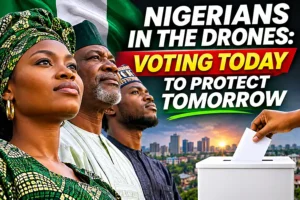








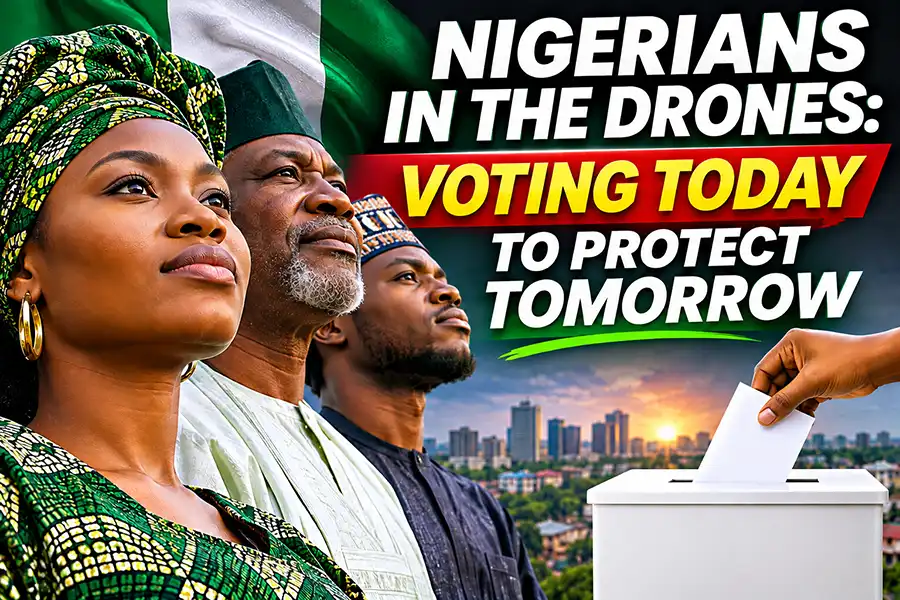
Early Voting Lines are been told a di fferent story before single ballots are cast. Nigerian Americans stood proudly in colorful traditional attire, while a Black American man in a Nike cap, a conservatively dressed Black woman, a white voter, and an Asian American voter stood among their fellow citizens. Di fferent styles. Di fferent stories. One line. One country. One right that matters… the Right To Vote! And that’s where, I met a young Nigerian American woman, sharing her perspective on political participation, immigration concerns, and the importance of making her voice heard. Her message was personal, pointed, and timely.
For years, she explained, some people did not believe immigration threats would reach their own families. But when relatives and people they knew began experiencing the ISIS consequences of changing policies, the political conversation became more immediate. What once seemed distant was suddenly knocking at the family door.
And that is where this story begins. From “Maybe Not” to “We’re Here” the question I brought to the voting line was straightforward: Are Nigerian Americans who have become U.S. citizens participating more actively in elections, and what might be motivating them? One interview cannot establish a national voting trend. That requires reliable turnout data. But one person’s experience can illuminate a question worth investigating: What happens when political decisions begin a ecting the people you love?
Immigration, visa restrictions, family separation, and debates over birthright citizenship have placed constitutional questions in the public spotlight. The woman I interviewed expressed concern about the consequences for families and emphasized the