







As we look toward 2026, the Juneteenth Impact In Houston continues to resonate deeply within the city’s cultural, social, and economic fabric. What began as a delayed announcement of freedom on the Texas coast has evolved into a nationwide celebration of resilience, heritage, and progress. For Houstonians, this holiday is not just a date on the calendar; it is a profound reflection of community building, institutional growth, and the enduring spirit of Black Americans.
Understanding this rich history allows us to fully appreciate the trajectory of the city and its people. From the origins of liberation to modern-day festivals, here is an in-depth look at how Juneteenth has shaped, and will continue to shape, the vibrant landscape of Houston.
The Historical Roots of Freedom in Texas
To grasp the magnitude of Juneteenth, we must first understand the historical context surrounding it. A common question among history enthusiasts is why did news of freedom take two years to reach Texas? The answer lies in geography and the realities of war. Geographically isolated and lacking a heavy Union presence, Texas became a safe haven for enslavers who moved their operations westward during the Civil War. It wasn’t until the war ended and Union troops finally secured the region that liberation became a reality.
The turning point occurred with Major General Gordon Granger’s arrival in Galveston on June 19, 1865. Standing on Texas soil, he delivered a message that changed the course of history. The General Order No. 3 significance cannot be overstated—it officially informed the people of Texas that all enslaved individuals were now free, finally enforcing the Emancipation Proclamation issued by President Abraham Lincoln in 1863.
While the announcement happened on the coast, the resulting migrations and community-building efforts quickly moved inland. This sets up the primary difference between Galveston and Houston Juneteenth celebrations: while Galveston is revered as the historical birthplace of the announcement, Houston is celebrated as the crucible where newly freed men and women built enduring, self-sustaining communities.
Building a Legacy: Emancipation Park and Freedmen’s Town
A Community’s Triumph
In the years following emancipation, formerly enslaved individuals in Houston sought spaces to gather, celebrate, and organize. Facing deep segregation, local Black leaders recognized the need to own their own community spaces. Thanks to Reverend Jack Yates leadership, alongside Richard Allen, Richard Brock, and Elias Dibble, the community pooled $1,000 to purchase 10 acres of land.
The legacy of the 1872 Emancipation Park land purchase stands as a testament to collective Black economic power. It provided a permanent, safe space to commemorate Juneteenth. Today, Emancipation Park Houston history is recognized globally, as it remains the oldest park in the city and a beautiful symbol of Black triumph.
Economic and Cultural Growth
The momentum generated by leaders like Reverend Yates also fueled the economic development of Houston’s Freedmen’s Town in the Fourth Ward. Newly freed individuals established churches, built homes with distinct brick-paved streets, and launched businesses.
Simultaneously, this period of growth highlights exactly how Juneteenth shaped Houston’s Third Ward. Emancipation Park became the beating heart of the Third Ward, drawing residents, businesses, and cultural institutions that transformed the neighborhood into an epicenter of Black commerce, art, and civil rights activism—a status it proudly maintains today.
Traditions and Evolution
Then and Now
Over the decades, the ways in which communities celebrate freedom have expanded. Historians often compare Juneteenth vs Emancipation Day traditions. While Emancipation Day (often celebrated on January 1 in other parts of the country or in the Caribbean) focuses on the legal signing of the Proclamation, Juneteenth has historically featured distinct Texas traditions. Early gatherings centered around public readings of the Emancipation Proclamation, church services, and the consumption of “red foods” like red velvet cake, strawberry soda, and barbecue, symbolizing the resilience and blood shed by ancestors.
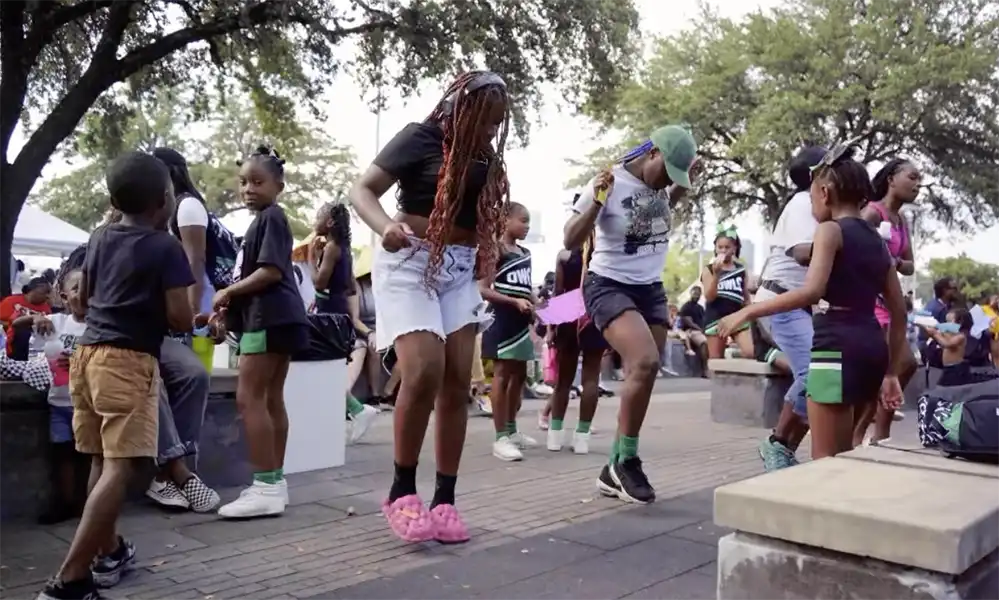
Over the past century, we have witnessed a massive evolution of Juneteenth festivals in Houston. What began as intimate church and park gatherings has grown into a month-long civic celebration featuring massive parades, music festivals, poetry slams, and art exhibitions, culminating in highly anticipated events leading up to Juneteenth 2026.
Education, Outreach, and the 2026 Vision
A National Awakening
In recent years, the educational impact of making Juneteenth a federal holiday has been extraordinary. Schools, corporations, and community groups are now dedicating resources to teach this crucial chapter of American history. This heightened awareness ensures that the stories of perseverance do not fade.
Furthermore, the modern era of the holiday emphasizes community uplift. The benefits of Juneteenth community outreach programs are highly visible throughout Houston today. Local organizations use the holiday to host health and wellness fairs, provide educational scholarships, and drive consumer traffic to Black-owned businesses, ensuring the holiday’s impact is both reflective and actionable.
Experiencing the History
If you want to immerse yourself in this rich legacy as 2026 approaches, planning a Houston African American heritage tour is highly recommended.
Here are a few actionable tips for exploring local history:
- Start at Emancipation Park: Walk the grounds of the historic 10 acres in the Third Ward and view the modern architectural renovations that honor its past.
- Visit Freedmen’s Town: Stroll down the original brick streets in the Fourth Ward, laid by the hands of formerly enslaved individuals.
- Explore Local Museums: The Houston Museum of African American Culture (HMAAC) offers fantastic exhibits detailing the Black experience in Texas.
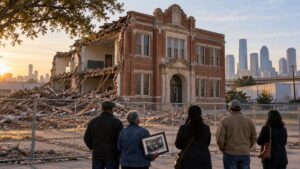
- Support Preservation Efforts: Get involved in preserving Black history sites in Southeast Texas by supporting local historical societies that protect landmarks from gentrification and urban decay.
To stay updated on the latest news, festival schedules, and community events surrounding the upcoming juneteenth houston celebrations, bookmark and regularly visit https://www.juneteenthhouston.org/. It serves as an excellent central hub for connecting with the city’s ongoing commemorative efforts.
Looking Forward
As Houston marches toward Juneteenth 2026, the celebration of freedom remains as vital as ever. The holiday is a powerful reminder of where the community started and a beacon for where it is headed. By honoring the leaders who paved the way, preserving the sacred spaces they built, and passing these vital stories to the next generation, Houston ensures that the true spirit of Juneteenth will thrive for centuries to come.
[Photo: Instagram]