








From the rebuilding of a Houston youth center to permanent housing for people experiencing chronic homelessness, the Knowles-Rowland House reflects the power of community investment. Its opening also highlights the enduring vision of pastors Rudy and Juanita Rasmus and the importance of creating a legacy that gives the next generation a chance to thrive.
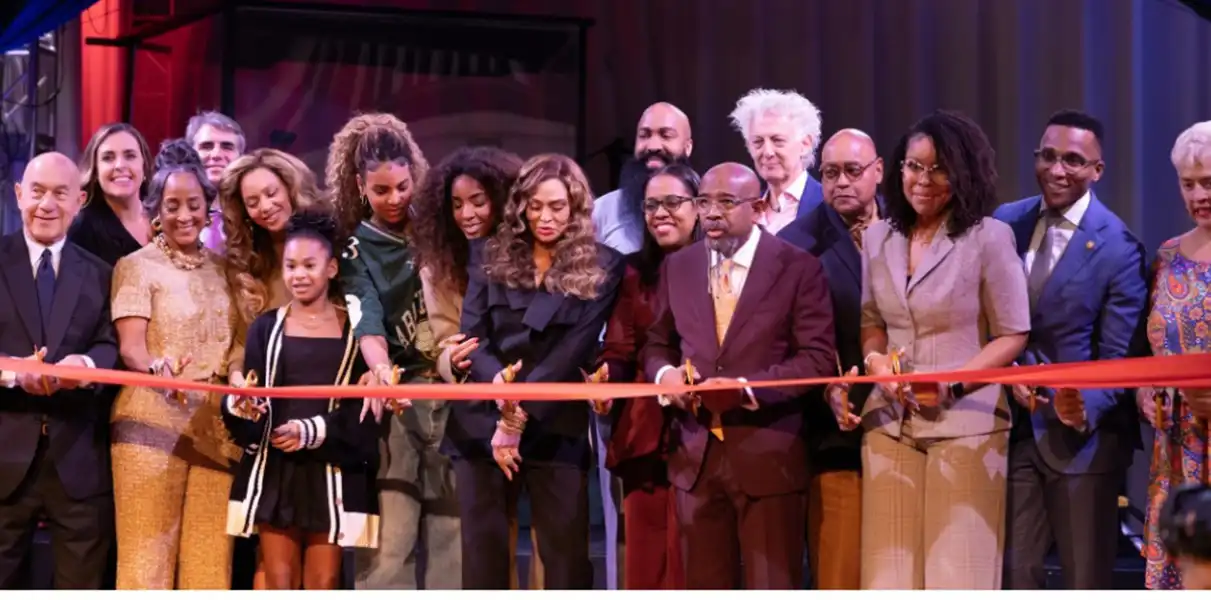
HOUSTON, Texas — A powerful story of faith, resilience and community transformation is unfolding in Houston, where music icons Beyoncé and Kelly Rowland, alongside Beyoncé’s mother, Tina Knowles, have helped celebrate the opening of the Knowles-Rowland House, a newly redeveloped housing facility designed to provide permanent homes and supportive services for people experiencing chronic homelessness.
The three-story facility, operated through a partnership involving Bread of Life, Inc., features 31 apartments intended to help residents move beyond housing insecurity and establish greater stability. The opening, celebrated on October 13, 2026, represents more than the completion of a building. It demonstrates what can happen when philanthropy, public investment, faith-based leadership and a long-term commitment to community development come together.
According to reporting by Click2Houston and REVOLT, the facility will offer residents access to resources that extend beyond housing, including mental health support, life-skills training, benefits enrollment and other services designed to encourage long-term stability.
At the heart of the project is a principle that resonates throughout Houston’s Black community: a meaningful legacy is not measured solely by wealth, fame or personal achievement, but by what remains possible for others because someone chose to invest in their future.
From a Youth Center to a New Beginning
The story of the Knowles-Rowland House began decades before its doors opened as permanent supportive housing.
In 1999, the original Knowles-Rowland Center for Youth opened with support from Tina Knowles, Mathew Knowles and proceeds associated with Destiny’s Child’s early musical success. The center provided a space for young people to gather, participate in activities and access community resources.
The building later suffered significant damage, including destruction from a fire in March 2021. Rather than allowing the property’s story to end there, community leaders and partners pursued its redevelopment.
That decision is central to the significance of the new facility. A building originally dedicated to serving young people has been given a new purpose: providing housing and support to adults facing some of the most difficult circumstances in society.
The redevelopment also received substantial public support. REVOLT reported that Harris County committed approximately $7.2 million in federal pandemic recovery funding in 2023 to help advance the project.
The result is a reminder that community assets can evolve as needs change. What matters is preserving the commitment to serve people who might otherwise be overlooked.
The Knowles-Rowland House carries forward that original spirit of service while addressing an urgent need for stable housing.
More Than a Roof: Building the Foundation for Stability
For people experiencing chronic homelessness, finding an apartment can be an important first step, but maintaining housing and rebuilding a stable life often require additional support.
The Knowles-Rowland House is designed around that broader understanding of homelessness. Beyond providing permanent apartments, the development is expected to connect residents with resources such as mental health services, case management, hygiene assistance, nutrition support and life-skills training.
REVOLT reported that 16 of the development’s 31 apartments were designed for people with mobility or sensory impairments, underscoring the importance of accessible housing.
These features matter because homelessness rarely has a single cause or a simple solution. People may face overlapping challenges involving health, employment, disability, financial hardship or limited access to support systems.
A housing-first approach, strengthened by appropriate services, can give residents a more secure foundation from which to address those challenges.
The project also illustrates an important distinction between temporary relief and lasting change. Emergency assistance can meet an immediate need, but permanent housing and coordinated support can create opportunities for people to regain independence, rebuild relationships and plan for the future.
The ultimate measure of success will be the lives stabilized, the residents who remain housed and the opportunities that become possible when people have a secure place to call home.
Rudy and Juanita Rasmus: A Vision Rooted in Service
The Knowles-Rowland House is also part of a broader story about the work of pastors Rudy and Juanita Rasmus, the founders of Bread of Life, Inc.
Founded in 1992, the Houston nonprofit has spent decades addressing homelessness, hunger and other community needs. Its work reflects a commitment to meeting people where they are while helping create pathways toward greater stability.
For the Rasmuses, community service represents more than responding to a crisis. It is an opportunity to build systems of care that recognize the dignity and potential of every individual.
That vision is especially important when considering young people who are preparing to transition out of foster care.
Young men leaving foster care can face the daunting prospect of entering adulthood without the dependable family networks, financial resources or stable housing that many others take for granted. Depending on their circumstances, they may need assistance with education, employment, transportation, life skills, emotional support and finding a safe place to live.
The transition can be overwhelming when several responsibilities arrive at once and there is no consistent adult available to offer guidance.
A vision that prioritizes these young men must go beyond encouraging them to become independent. It must help ensure that independence is achievable.
That means creating opportunities for mentorship, stable housing, career development, financial literacy, educational advancement and access to trusted adults who can help them navigate setbacks.
It also means understanding that young people leaving foster care should not have to choose between struggling alone and depending on systems that may no longer be responsible for their daily care.
The Rasmuses’ longstanding commitment to community service provides a meaningful framework for thinking about what young adults need to thrive: compassion paired with practical resources, encouragement backed by opportunity, and a community willing to remain invested beyond the first intervention.
The Knowles-Rowland House is not specifically identified in the available reporting as a foster-care transition program. Rather, its opening offers a compelling example of the broader principle that secure housing, supportive services and community partnerships can help people move toward a more stable future.
That same principle deserves sustained attention when Houston considers how best to support young men aging out of foster care.
Why Investing in Young Men Leaving Foster Care Matters
Every young person deserves the opportunity to enter adulthood with a reasonable chance of success. Yet for young men transitioning from foster care, the path forward can involve challenges that require more than determination alone.
A young man may have ambitions to attend college, learn a trade, start a business or build a family. Those goals become more difficult to pursue without stable housing, reliable transportation, a support network and the practical knowledge required to manage adult responsibilities.
Communities can make a difference by investing in programs that combine several forms of support.
Stable housing. A safe place to live creates the foundation for maintaining employment, continuing education and building healthy routines.
Mentorship and relationships. Consistent mentors can help young adults make decisions, identify opportunities and understand that asking for guidance is a strength rather than a weakness.
Education and career preparation. Access to vocational training, apprenticeships, higher education and professional networks can open pathways to sustainable employment.
Financial literacy. Learning how to budget, save, build credit, understand rental agreements and manage expenses can help young adults navigate responsibilities with greater confidence.
Emotional and practical support. Counseling, health resources, transportation assistance and help navigating public services can address barriers that might otherwise derail progress.
A lasting community connection. Support should not disappear simply because a young person reaches a particular birthday or completes a program. Relationships and resources that remain available during setbacks can be critical to long-term success.
These investments are not acts of charity alone. They are investments in the future workforce, families, neighborhoods and leadership of Houston.
When young people receive the tools and support needed to build stable lives, the benefits can extend far beyond one individual.
The Power of Legacy: What Do We Leave Behind?
The opening of the Knowles-Rowland House invites a larger conversation about legacy.
Beyoncé and Kelly Rowland built extraordinary careers in music, but their connection to this project reaches back to a time when Destiny’s Child was still establishing itself. The original youth center represented an investment in the community that helped shape their lives and careers.
Tina Knowles’ involvement likewise connects the project’s present purpose with its earlier history.
That continuity is significant. It demonstrates how resources and influence can be directed toward something that outlasts a single performance, business transaction or moment of public recognition.
A legacy can take many forms. It can be a building that provides shelter, a scholarship that makes college possible, a business that creates jobs, a mentorship program that guides young adults or a family tradition of helping neighbors in need.
For the Rasmuses, the legacy of community service can also be understood through the institutions and relationships that continue to serve people facing difficult circumstances.
The most enduring legacies create opportunities for others to build their own futures.
This is particularly important in communities where families have historically faced barriers to wealth-building, affordable housing, educational opportunity and access to supportive resources. Philanthropy cannot resolve every structural problem, but sustained investments can help create tangible opportunities while inspiring others to contribute.
Legacy also requires a willingness to think beyond immediate recognition.
The most meaningful question is not simply how much a person has accumulated, but how their choices affect people who may never meet them. Did their work create a pathway for a young person? Did their generosity help a family remain housed? Did their leadership establish an institution that will continue serving the community years later?
These are the questions that give legacy its deeper meaning.
Houston Needs More Partnerships That Turn Vision Into Action
The redevelopment of the Knowles-Rowland House illustrates the importance of partnerships among nonprofit organizations, public agencies, philanthropic supporters and service providers.
No single organization can solve homelessness or address every challenge facing young people transitioning into adulthood. Progress requires coordinated efforts that bring together funding, expertise, housing, mentorship and direct services.
Houston can build on this model by continuing to support permanent supportive housing, strengthen programs for young adults leaving foster care and encourage partnerships between community organizations, employers, educational institutions and local government.
For young men transitioning out of foster care, a similar collaborative approach could connect housing providers with workforce-development programs, trade schools, colleges, financial-literacy initiatives and experienced mentors.
Businesses could offer internships, apprenticeships and entry-level career opportunities. Community leaders could help recruit and train mentors. Philanthropists could fund emergency assistance and long-term support. Service organizations could help young adults navigate housing applications, employment requirements and other essential tasks.
Such efforts should be developed in partnership with young people who have experienced foster care, ensuring that programs reflect their actual needs, goals and perspectives.
The objective should be more than helping young adults survive the transition. It should be helping them establish the stability and confidence to pursue meaningful lives.
The Knowles-Rowland House offers one example of what can happen when a community chooses to transform an existing resource into a new opportunity for service.
The next challenge is ensuring that similar commitment reaches people at other vulnerable points in their lives.
A Legacy Is Measured by the Lives We Change
The opening of the Knowles-Rowland House is a milestone for Houston and a reminder that community transformation often begins with a decision to keep investing even when circumstances change.
A youth center damaged by disaster has been reimagined as permanent housing for people experiencing chronic homelessness. Public funding, nonprofit leadership and philanthropic involvement have helped move that vision toward reality.
The project also creates an opportunity to reflect on the broader work of Rudy and Juanita Rasmus and the importance of extending meaningful support to young men preparing to leave foster care.
Both housing insecurity and the transition out of foster care raise fundamental questions about what a community owes its most vulnerable members. The answer should begin with dignity, opportunity and the recognition that people need more than encouragement to overcome serious barriers.
They need resources. They need access. They need relationships. And they need opportunities that remain available long enough to make a lasting difference.
Beyoncé, Kelly Rowland and Tina Knowles’ participation in the Knowles-Rowland House opening highlights the potential of using success and influence to support a greater purpose. The Rasmuses’ community-centered work underscores the importance of building institutions and services that can continue meeting needs over time.
For Houston, the lesson is clear: a legacy is not simply what we leave behind. It is what we make possible for the people who come after us.
Whether through permanent housing, mentorship, education, workforce development or support for young men transitioning out of foster care, the work of building that legacy begins when compassion becomes action.
And its greatest reward is a future in which more people have the opportunity not merely to survive, but to thrive.
About Afram News
Afram News covers the people, organizations, ideas and community initiatives shaping the lives and futures of African American communities.
Sources