









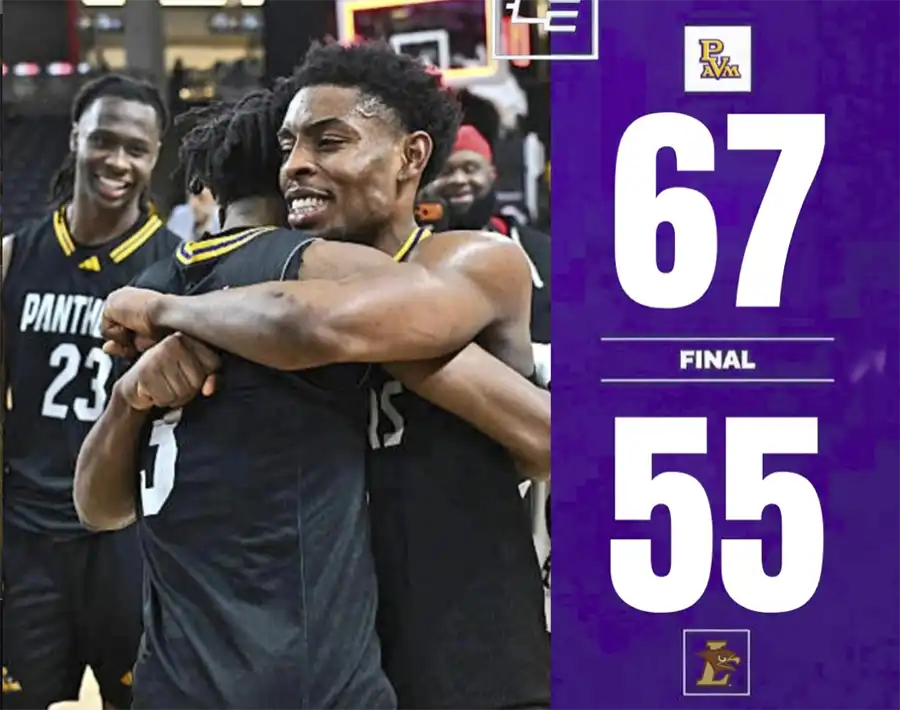
In the chaotic, bracket-busting landscape of March Madness, the most compelling stories often come from the smallest schools. Prairie View A&M University won its first NCAA tournament game in 2026, shattering a decades-long ceiling and proving that determination often outweighs budget. For a Historically Black College or University (HBCU), overcoming the odds against better-funded programs is a persistent David versus Goliath reality.
This historic moment occurred during the “First Four,” the tournament’s intense opening round where teams with the lowest ranking, or “seed,” battle for survival. While casual fans usually focus on the final champions, the Prairie View A&M University NCAA tournament win resonated deeply across Texas. Beyond the scoreboard, this triumph highlights the historical significance of HBCU tournament victories, validating the grit of a community that waited generations for this spotlight.
The ‘First Four’ Barrier and How PVAMU Crossed It
Most teams enter March Madness through selection by a committee, but schools in “mid-major” conferences—smaller leagues outside the massive state university systems—must often earn their way in differently. By winning their league tournament, Prairie View A&M secured an “automatic bid,” a guaranteed golden ticket reserved strictly for conference champions. This victory ensured their name was called on Selection Sunday, placing them squarely on the national map.
Getting invited was only the first step. Because the tournament field expanded to 68 teams, the lowest-ranked squads—designated as 16-seeds—must survive an initial elimination round known as the “First Four” in Dayton, Ohio. For fans following the road to the NCAA tournament, this stage serves as the true starting line where only the grittiest teams survive to face the top-ranked giants.
The Panthers’ journey to history followed a high-pressure schedule:
- SWAC Final: They defeated their rivals to claim the automatic bid, creating viral Southwestern Athletic Conference championship game highlights.
- Selection Sunday: The committee officially seeded them in the First Four against another 16-seed champion.
- Dayton Victory: Winning this game officially advanced them into the main bracket of 64 teams.
While some casual viewers might overlook these early matchups, a victory in Dayton counts as a full NCAA Tournament win in the record books. It disrupts standard bracket implications for sixteen-seed upsets by proving the team belongs on the national stage. However, staying on that stage required more than just showing up; it took a specific game plan to shut down the opposition.
The Strategy Behind the Score: Defensive Adjustments That Secured the Win
Facing a lineup of taller forwards, the Panthers realized early on that a standard physical matchup inside the paint would likely result in a loss. Instead of trying to out-jump giants under the rim, the coaching staff shifted focus to speed and disruption, utilizing risky but high-reward post-season coaching strategies.
This approach materialized as a relentless “full-court press,” a defensive tactic where players guard their opponents across the entire length of the floor rather than safely retreating to their own basket. By swarming the ball handler immediately after every inbound pass, Prairie View forced the opposing team into frantic, uncharacteristic mistakes. This constant pressure exhausted the competition physically and mentally, turning what should have been routine passes into loose balls that the Panthers quickly converted into fast-break points.
Success in March often hinges on controlling the tempo, and these specific defensive adjustments in high-stakes tournament play allowed the smaller squad to dictate the game’s rhythm effectively. The final box score reflected this dominance, showing a significant edge in “points off turnovers,” a metric that tracks how often a team scores immediately after stealing the ball from the opponent.
Grit and tactical intelligence are ultimately what defines a successful Cinderella story in basketball rather than just hoping for a lucky shot at the buzzer. While the scoreboard captured the immediate victory, the energy displayed by the team sparked a level of enthusiasm that extends far beyond the gymnasium walls.
Beyond the Court: How Tournament Success Drives Enrollment and Funding
Victory extends far past the final buzzer, often translating 40 minutes of gameplay into years of institutional growth. Universities frequently experience a surge in admissions interest following a major sports breakthrough, a phenomenon known as the “Flutie Effect.” When millions of viewers watch a Cinderella story unfold on national television, the school transforms from a regional secret into a household name, prompting prospective students to investigate the university due to the impact of March Madness success.
The rewards are financial as well as reputational, thanks to the specific way the NCAA distributes its revenue. Conferences earn money based on performance through a system called “units,” where each game played earns a credit that translates into recurring payments over six years. For the evolution of the Panthers athletic department, these financial benefits provide essential capital to upgrade facilities and support student-athletes in non-revenue sports.
This momentum creates a sustainable cycle of growth that helps stabilize the institution’s future. The win generates tangible returns across three key areas:
- Direct Revenue: Six-year cash payouts from NCAA distinct fund units.
- Brand Visibility: Immediate spikes in online merchandise sales and licensing.
- Admissions Growth: Measurable increases in application volume from out-of-state students.
With the bank account bolstered and the brand elevated, the coaching staff can turn their attention to the next challenge: convincing the next generation of talent to join the movement.
Recruiting the Future: Using National Exposure to Level the Playing Field
For a coach, the two hours of national television provided by a tournament game are worth more than a year of cold calls. When high school stars see a team winning on the biggest stage, the sales pitch changes from “trust our potential” to “come join our success.” This visibility creates immediate recruiting advantages after national tournament exposure, allowing the staff to compete for athletes who previously might have overlooked a smaller program in favor of brand-name schools.
Modern roster building relies heavily on the “transfer portal,” a digital database that functions like free agency for college athletes looking for a new school. Success attracts experience; veteran players stuck on the bench at giant universities often seek out winning mid-major teams where they can instantly become starters. By proving they can win in March, the Panthers become a prime destination for these seasoned transfers, ensuring the team stays competitive without waiting years for freshmen to develop.
Securing higher-tier talent does more than win next year’s games; it honors the Prairie View A&M basketball program legacy by ensuring the victory wasn’t a fluke. While key players in the program’s history laid the foundation through sheer grit, the new wave of recruits acts as the reinforcement needed to maintain that standard. This influx of skill prepares the university to take the final step from a one-time wonder to a respected powerhouse.
Joining the Elite: What This Win Means for the Panther Legacy
This victory acts as a graduation for the Panthers, signaling a promotion from hopeful participants to proven contenders. The achievement is not just about surviving a round of basketball, but about earning a new tier of respect in the national conversation.
This breakthrough challenges the typical comparison of SWAC vs mid-major conference seeds, proving that grit can overcome resource disparities. The historic news that Prairie View A&M University won its first NCAA tournament game acts as a catalyst for the entire conference, validating the rising prominence of HBCU athletics. The narrative has shifted from a one-time underdog story to a sustainable blueprint for excellence.
The trajectory of the program now extends beyond a single buzzer-beater. With increased recruiting success and support, the team leverages this momentum to build a stronger future. If 2026 redefined the possible, the 2027 season promises to test which barriers they will break next.
[Photo: Instagram]