









By: Fred Smith
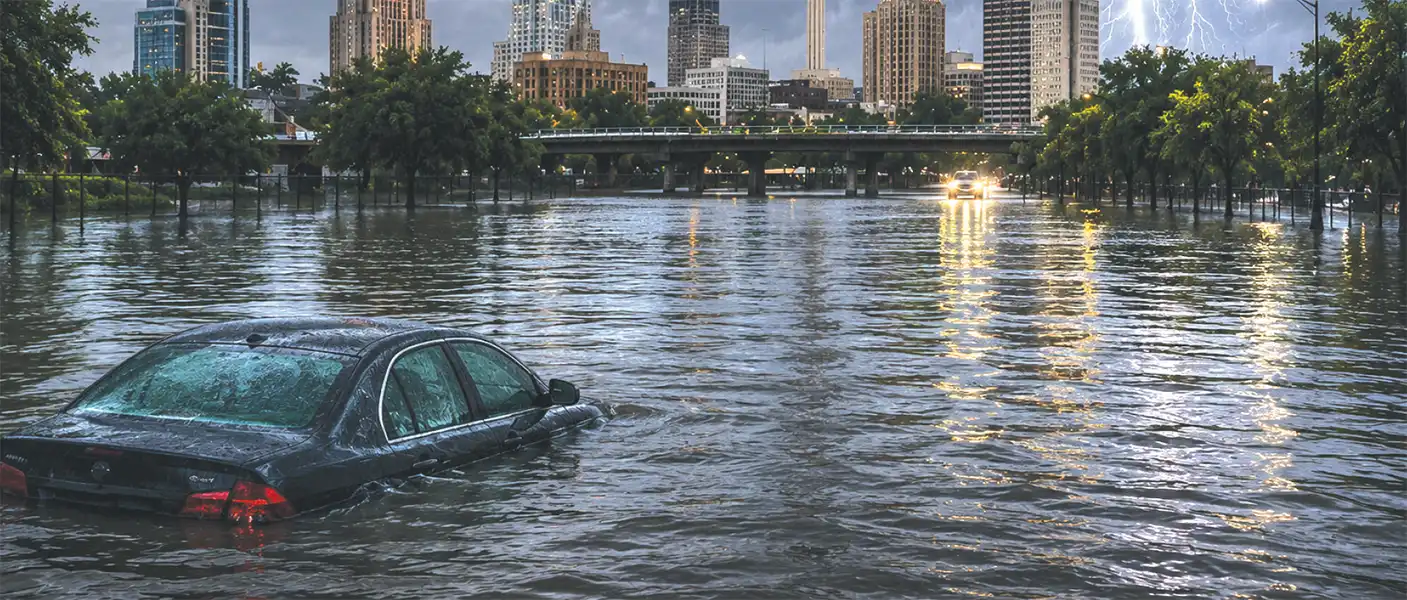
San Antonio residents are once again being reminded of the importance of severe weather preparedness after powerful storms swept across South Central Texas in July 2026. Heavy rainfall, flash flooding, damaging winds, and a reported tornado on the city’s northwest side caused road closures, property dam- age, and prompted emergency response efforts throughout the region. While the city avoided widespread fatalities, the storms demonstrated how quickly dangerous weather conditions can develop.
The storm system brought several inches of rain across Bexar County and surrounding communities, causing creeks and waterways to rise rapidly. Flooded streets and low-water crossings created hazardous travel conditions, leading officials to urge residents to stay off the roads whenever possible and to never drive through floodwaters. Emergency crews worked around the clock responding to stranded motorists, clearing debris, and assisting neighborhoods affected by the severe weather.
City leaders continue to stress that preparation before severe weather strikes is one of the best ways to protect lives and property. Residents are encouraged to stay informed by monitoring weather forecasts, signing up for emergency alerts, and creating a family emergency plan. Officials also recommend maintaining an emergency supply kit with bottled water, nonperishable food, flashlights, batteries, medications, important documents, and fully charged mobile devices in case of extended power outages. Flooding remains one of San Antonio’s most significant weather hazards due to the city’s numerous creeks, rivers, and low-water crossings.
Even a small amount of fast-moving water can carry away vehicles, making it essential for drivers to avoid flooded roads. Families living in flood-prone areas are encouraged to know evacuation routes and be prepared to move quickly if conditions worsen.
Local businesses, schools, hospitals, and community organizations are also reviewing emergency response plans following the July storms. Many are updating communication procedures, inspecting emergency equipment, and strengthening continuity plans to better respond to future severe weather events. Emergency management officials say preparation at every level— from individual households to major institutions—helps communities recover more quickly when disasters occur.
With hurricane season continuing and unpredictable weather remaining a possibility throughout the summer, San Antonio officials encourage residents not to wait until the next storm is approaching to prepare. Simple actions such as assembling emergency supplies, reviewing family safety plans, and staying aware of weather conditions can make a significant difference when severe weather strikes. The July 2026 storms served as a reminder that preparedness remains one of the strongest tools for protecting the San Antonio community.