








By: Fred Smith
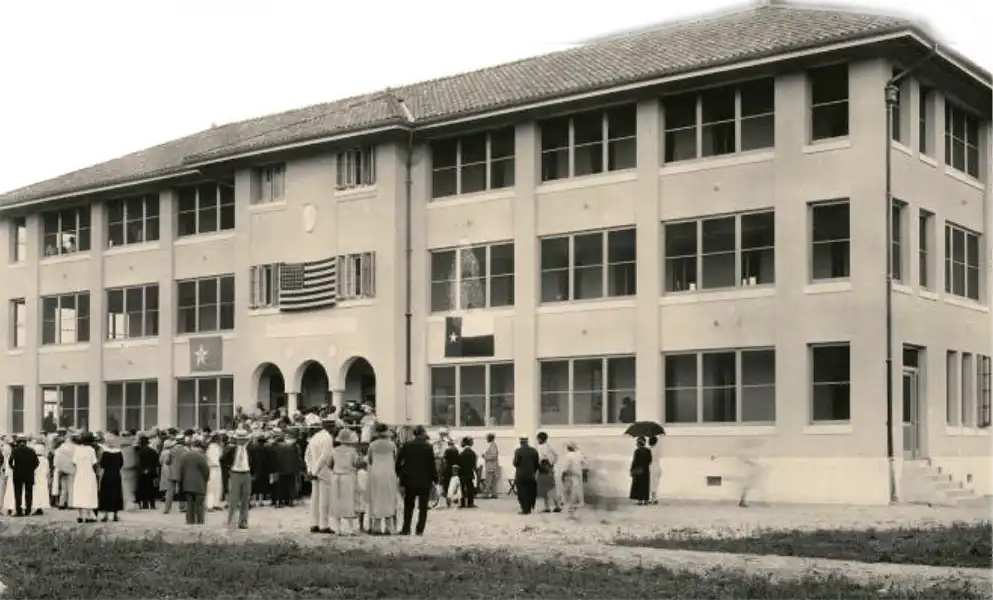
The Houston Negro Hospital was established in 1926 during a time when segregation prevented many African Americans from receiving proper medical care. It was created to serve Houston’s Black community and provide healthcare services that were often unavailable in other hospitals. The hospital became a symbol of hope and progress for African Americans who faced discrimination in many aspects of life.
One of the hospital’s most important contributions was providing opportunities for Black doctors and nurses. During segregation, many medical professionals were denied access to training and employment in other healthcare facilities. The Houston Negro Hospital allowed them to develop their skills, gain experience, and serve their community with pride and dedication.
The hospital was more than a place for medical treatment. It became a center of community support and empowerment. Families trusted the hospital because it offered compassionate care and respected the dignity of its patients. Its staff worked tirelessly to improve the health and well-being of people who often had limited access to healthcare.
As Houston grew, the hospital expanded its services and influence. It eventually became known as Riverside General Hospital. Although its name changed, its mission of serving underserved communities remained an important part of its identity. The institution continued to build on the foundation established by its founders and early supporters.
The legacy of the Houston Negro Hospital reflects the determination and resilience of the African American community. Despite the challenges of segregation and limited resources, community leaders, healthcare workers, and supporters worked together to create an institution that saved lives and opened doors for future generations. Their efforts helped challenge barriers and promote greater equality in healthcare.
Today, the story of the Houston Negro Hospital and Riverside General Hospital remains an important part of Houston’s history. It reminds us of the struggles faced by African Americans in the past and the progress achieved through perseverance and unity. The hospital’s legacy continues to inspire people to work toward equal access to healthcare and opportunities for all.
The history of the Houston Negro Hospital is closely connected to the growth of Houston itself. During the early twentieth century, Houston was rapidly expanding, but African Americans often faced unequal access to public services, including healthcare. Community leaders recognized the need for a hospital that would serve Black residents and provide quality medical care regardless of race. Their efforts led to the creation of an institution that became a vital part of Houston’s development.
Located in Houston’s Third Ward area, the hospital served generations of families and became a trusted healthcare provider for many residents. It played an important role during times of public health challenges, helping patients receive treatment when other options were limited. The hospital’s presence strengthened the surrounding community and contributed to the social and economic growth of the area.
The hospital also reflected the spirit of cooperation within Houston’s African American community. Local citizens, business leaders, churches, and civic organizations supported the institution through fundraising and volunteer efforts. Their commitment helped ensure that the hospital could continue operating and serving those in need. This community involvement made the hospital a source of pride throughout Houston.
As Houston evolved into one of the nation’s largest cities, the legacy of the Houston Negro Hospital remained an important part of its history. The hospital demonstrated how determination and community action could overcome barriers created by segregation. Today, its story helps historians and residents understand the contributions of African Americans to Houston’s healthcare system and the city’s broader progress toward equality.