







[Photo: X.com]
June 19, 2026, marks an extraordinary convergence of history, culture, and community resilience in the heart of Texas. As the nation pauses to reflect on the meaning of freedom, the city of Houston is preparing for a monumental double feature: Riverside Hospital’s 100-year anniversary and Juneteenth celebrations in Houston.
This historic intersection is more than just a calendar coincidence; it is a profound testament to a century of medical advancement, civil rights progress, and unwavering community strength. Whether you are a local resident, a history enthusiast, or a visitor eager to partake in the festivities, understanding the deep roots of this beloved institution provides incredible insight into the cultural fabric of the city.
Here is everything you need to know about this centennial celebration, the enduring legacy of Black healthcare, and how you can join the festivities this year.
The History of Riverside General Hospital Houston
To truly appreciate the magnitude of the Riverside Hospital 100 Year Anniversary on Juneteenth, we must look back to the world of 1926. During an era of strict racial segregation, Black citizens in the South faced severe disenfranchisement, particularly in healthcare. African American doctors were largely barred from practicing in mainstream medical facilities, and Black patients were often relegated to underfunded, overcrowded basement wards in public hospitals.
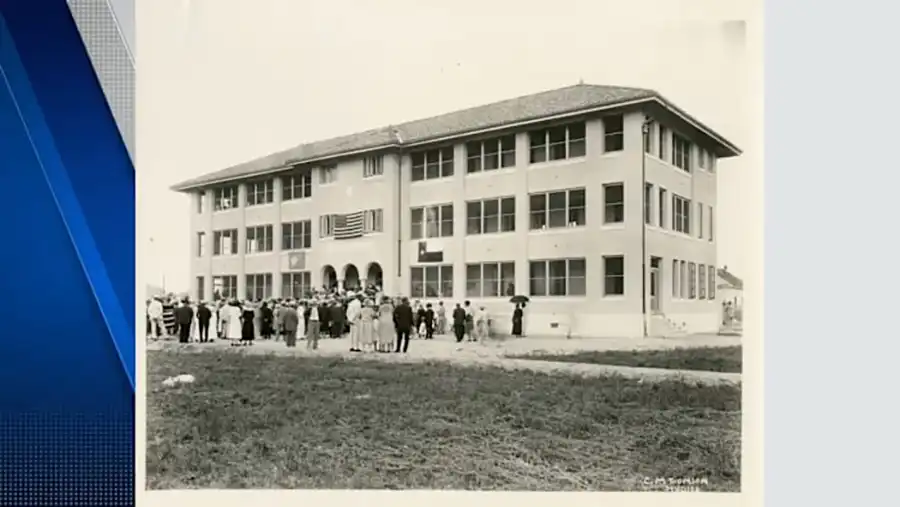
It is within this challenging context that the history of Riverside General Hospital Houston began. Originally funded by a generous donation from oilman J.S. Cullinan—and fueled by the relentless advocacy of Black physicians—the institution was built to serve those who had nowhere else to go. Exploring the Houston Negro Hospital original location and history reveals that the facility was strategically placed on Ennis Street in the historic Third Ward, opening its doors to provide world-class medical care and dignity to a marginalized population.
The establishment of this facility played a massive role in the historical evolution of black-owned hospitals in America. Much like Provident Hospital in Chicago or Freedmen’s Hospital in Washington, D.C., Riverside emerged as an oasis of healing. By training Black nurses and offering admitting privileges to Black doctors, the hospital cemented the legacy of African American healthcare in Texas, proving that excellence could thrive even in the face of systemic adversity.
Why is Riverside General Hospital Significant to Houston?
For historians and locals alike, a common question arises: exactly why is Riverside General Hospital significant to Houston? The answer lies not just in its bricks and mortar, but in the generations of lives it touched.
The impact of Riverside Hospital in the Houston African American Community was immediate and transformative. It served as a vital lifeline, offering maternity care, specialized surgeries, and pediatric treatments that drastically improved life expectancy for local residents.
If we look at how Riverside Hospital shaped Houston medical history, several key achievements stand out:
- Professional Incubation: It provided a premier training ground for the city’s first generations of African American nurses, administrators, and surgeons.
- Community Trust: Unlike deeply segregated public institutions, Riverside offered a culturally safe environment where patients were treated with respect and equity.
- Mental Health Advocacy: In its later years, the hospital pivoted to become a pioneering center for substance abuse treatment and mental health services.
When analyzing Riverside General Hospital vs other historic Houston medical centers—such as the early institutions in the globally renowned Texas Medical Center—Riverside stood completely distinct. While the Texas Medical Center grew into a massive, heavily funded conglomerate, Riverside remained a grassroots, community-centered sanctuary. This localized, deeply personal approach defined the overarching impact of Riverside Hospital on Houston’s Black community for decades.
Preserving the Past
As time passed, economic challenges and administrative hurdles forced the hospital to close its doors in the 2010s. However, a building imbued with so much history could not simply be abandoned. In recent years, a powerful movement has emerged centered around preserving African American historical sites in Texas.
At the forefront of this movement is the ongoing, multi-million-dollar project dedicated to restoring Riverside General Hospital building. Spearheaded by the Harris Health System, the restoration aims to transform the historic Spanish Colonial Revival structure into an active community health center once again.
This revitalization is a triumphant centennial milestone of Houston healthcare institutions, ensuring that the next 100 years of the site will echo the healing mission of its founders. The excitement surrounding this project has drawn widespread attention. For instance, detailed local news coverage highlighting the emotional and historical weight of the anniversary can be read here: https://www.click2houston.com/news/local/2026/06/19/riverside-general-hospital-marks-100-years-of-legacy-and-care-on-juneteenth/.
Furthermore, the meticulous architectural vision required to modernize the facility while maintaining its historical integrity has been beautifully outlined by the project partners in a recent press release available at https://www.kirksey.com/about-us/news-media/for-immediate-release/centennial-celebration-at-houston-s-historic-riverside-hospital.
Where to Celebrate Juneteenth in Houston This Year
Houston holds a deeply special connection to Juneteenth. It was in nearby Galveston that Major General Gordon Granger delivered General Order No. 3 on June 19, 1865, effectively enforcing the Emancipation Proclamation in Texas. Shortly after, freedmen in Houston pooled their resources to purchase land specifically to celebrate this freedom—a space now famously known as Emancipation Park.
If you are wondering where to celebrate Juneteenth in Houston this year, the answer is undoubtedly the historic Third Ward. The intersection of the hospital’s centennial and the Juneteenth holiday has resulted in a massive, city-wide outpouring of joy, education, and cultural pride.
Juneteenth Celebrations in Houston Third Ward
The Third Ward is the cultural epicenter for this year’s festivities. The neighborhood will be alive with vibrant block parties, historical reenactments, live gospel and R&B music, and an array of local Black-owned food trucks serving up world-class Texas BBQ and soul food. The atmosphere is designed to be family-friendly, educational, and deeply celebratory.
To make the most out of your visit, it is highly recommended to check the official Emancipation Park Juneteenth parade schedule early. The parade—featuring intricate floats, local high school marching bands, community leaders, and healthcare workers honoring Riverside’s 100th year—typically kicks off early Saturday morning, winding through the heart of the Third Ward and culminating at the park gates. Arrive early to secure a good viewing spot along Elgin or Emancipation Avenue!
A Guide to Visiting Historic Third Ward Landmarks
While attending the parade and park festivities, take some time to explore the rich history embedded in the surrounding streets. Here is a brief guide to visiting historic Third Ward landmarks to enrich your Juneteenth weekend:
- Emancipation Park (3018 Emancipation Ave): The oldest park in Houston, purchased by formerly enslaved people in 1872. Today, it features beautiful modern facilities, historical markers, and serves as the primary hub for Juneteenth events.
- The Original Riverside General Hospital Site (3204 Ennis St): Walk by the beautifully designed 1926 building to witness the ongoing restoration efforts firsthand. It stands as a profound physical reminder of the centennial.
- Project Row Houses (2521 Holman St): Just a few blocks away, this globally recognized arts and cultural community features restored shotgun houses that showcase rotating art installations focused on African American history and culture.
- Jack Yates High School: Named after Reverend Jack Yates, a prominent Black leader and former enslaved man who helped purchase Emancipation Park, this school has been a cornerstone of African American education in Houston since 1926—sharing its founding year with Riverside Hospital.
- Eldorado Ballroom (2310 Elgin St): Recently restored to its former glory, this historic music venue was once the premier destination for Black social clubs and touring blues and jazz musicians during the era of segregation.
The Next Hundred Years
The parallel between the emancipation of enslaved people and the founding of an independent Black hospital is profound. Both events represent a break from oppressive systems and a bold step toward autonomy, self-care, and community empowerment.
As we celebrate Riverside Hospital’s 100-year anniversary and Juneteenth celebrations in Houston, we are not just looking backward at a history of hardship and triumph. We are looking forward. The rebirth of the Riverside building as a modern healthcare center ensures that the mission of those pioneering Black doctors and nurses from 1926 will continue into the 21st century.
Whether you are cheering at the Emancipation Park parade, tracing the historic steps of the Third Ward, or simply reflecting on the evolution of equitable healthcare, Juneteenth 2026 is a time to honor the past and build the future. By preserving our historical landmarks and celebrating our shared milestones, we ensure that the legacy of healing and freedom in Houston will never be forgotten.