







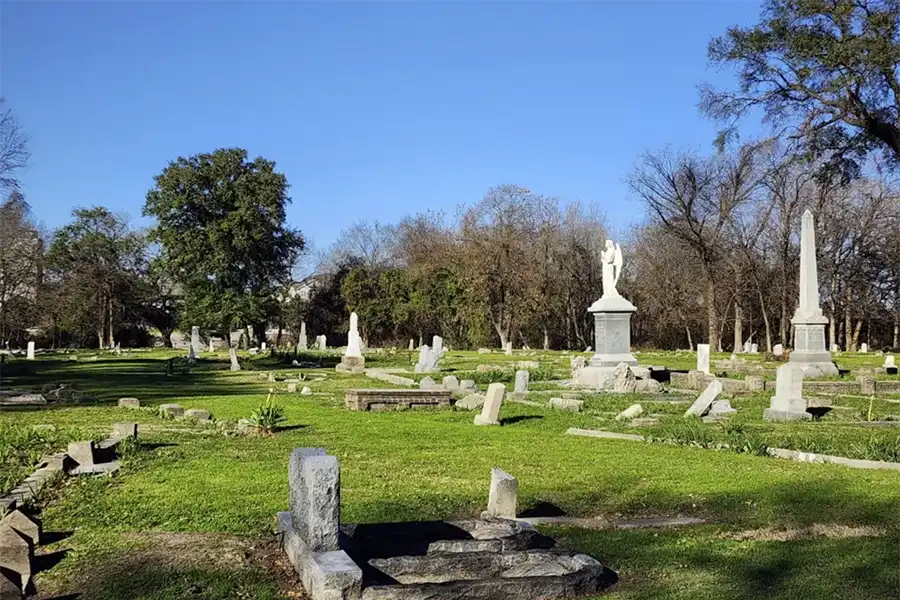
Tucked away near the bustling heart of the city, shaded by an ancient canopy of native trees, lies a sacred and often overlooked piece of history. Olivewood Cemetery in Houston, Texas, is a serene, eight-acre resting place that serves as a profound testament to the resilience, culture, and enduring spirit of the local African American community. Incorporated in 1875, it proudly holds the distinction of being the first incorporated Black cemetery in Texas. Today, it stands not just as a final resting place, but as a vital educational and historical landscape that connects modern residents directly to their roots.
The Deep Roots of Houston’s Black Community
To truly comprehend the impact of African American history in Houston, one must look at the physical spaces where this history was forged and preserved. Olivewood’s establishment is inextricably tied to the Freedman’s Town legacy and migration patterns. Following the emancipation of enslaved people in 1865, thousands of African Americans migrated from rural East Texas plantations to Houston to build new lives. They established thriving, independent neighborhoods like Freedman’s Town in the Fourth Ward. As these vibrant communities grew—building their own homes, schools, and businesses—the need for a dignified, community-owned burial ground became paramount.
Walking through the gates of Olivewood today offers a rare, physical connection to African American burial traditions in the 19th century. Visitors can observe a beautiful, complex blend of Christian traditions and West African spiritual practices. For example, scattered throughout the grounds are fascinating examples of Victorian era funerary art symbols. You will see broken columns signifying a life cut short, inverted torches representing a life extinguished but continuing in the afterlife, and seashells placed carefully on graves—a traditional African American practice symbolizing the soul’s journey across the water to the spiritual realm.
Prominent Pioneers
When exploring exactly who is buried in Olivewood Cemetery, you uncover a veritable “who’s who” of local pioneers who laid the foundations of modern Houston. The grounds hold the remains of over 4,000 individuals. These men and women range from formerly enslaved people who lived to see freedom, to wealthy business owners, pioneering educators, doctors, and religious figures.
Among the most notable burials is Reverend Elias Dibble and early Houston civic leaders who championed education and civil rights in a segregated South. Dibble, a pioneering minister at Trinity Methodist Episcopal Church, was a cornerstone of spiritual and civic life for newly freed citizens, helping to build institutions that would serve the community for generations.
To fully grasp the scope of this heritage, urban historians frequently compare the histories of Olivewood vs College Memorial Park Cemetery, another essential historic Black burial ground in the city. While College Memorial Park (established a few decades later) is tied heavily to the early days of Texas Southern University and the Third Ward, Olivewood remains the vital anchor for the earliest post-Civil War generations of the Fourth and First Wards. Together, these sites paint a comprehensive picture of early Black prosperity, struggle, and community building in Texas.
Environmental Threats
Despite its immense historical value and its rightful inclusion among the National Register of Historic Places Houston landmarks, Olivewood is in a constant battle against the elements. The cemetery’s geography is both a blessing and a curse. Located right along the banks of a major waterway, the site underscores the significance of White Oak Bayou to Houston history. In the late 1800s, this bayou was a vital source of water, commerce, and transportation for early settlers. Today, however, it represents a severe environmental threat.
Due to rapid urban development and increased rainfall, addressing bayou erosion at historic burial sites has become a critical mission for conservationists. Violent floodwaters routinely threaten to wash away the very ground in which these pioneers rest, collapsing the banks and endangering the oldest graves.
Furthermore, restoring damaged headstones in Gulf Coast climates poses a massive, ongoing challenge. The relentless humidity, heavy seasonal rains, hurricane-force winds, and rapidly growing invasive vegetation can quickly swallow monuments. Heavy marble and limestone markers easily sink into the soft, wet earth, while the climate promotes the growth of destructive moss and mold that eats away at century-old inscriptions.
Reclaiming History: The Conservation Effort
Fortunately, this hidden gem is not fighting the elements alone. The Descendants of Olivewood conservation efforts have been instrumental in rescuing the cemetery from decades of overgrowth and neglect. This dedicated, volunteer-led non-profit organization works tirelessly to reclaim the grounds from encroaching nature, document lost graves using ground-penetrating radar, and engineer solutions to protect the site from bayou erosion.
Their meticulous work ensures that this vital piece of American history is not lost to time or washed away by floodwaters. For detailed information on their specific projects, access to historical archives, and donation portals, you can visit their official website at https://www.descendantsofolivewood.org/.
How You Can Experience and Support Olivewood
Visiting and supporting this historic site is a deeply rewarding experience, offering a quiet space for reflection amidst a bustling metropolis. If you want to engage with this unique part of the city’s heritage, here are a few actionable ways to do so:
- Plan Your Visit Carefully: Because of ongoing maintenance, conservation projects, and unpredictable weather conditions, visiting hours for Houston historic cemeteries like Olivewood can vary. It is always highly recommended to check the official website or social media pages before planning your trip to ensure the gates are open and safe for visitors.
- Take a Guided Tour: To get the most out of your visit, keep an eye out for guided historical tours of Houston oldest Black cemeteries. The Descendants of Olivewood occasionally offer expert-led walks that provide rich, contextual storytelling, bringing the names carved in stone to life and explaining the deep symbolism of the landscape.
- Lend a Helping Hand: If you are a local resident or a visiting history enthusiast wondering how to volunteer for cemetery restoration in Houston, there are plenty of opportunities. The non-profit regularly hosts community cleanup days. Volunteers help by safely clearing brush, cleaning headstones with approved biological solutions, maintaining walking trails, and assisting with digital mapping. No prior experience is required—just a willingness to work outdoors, a pair of sturdy gardening gloves, and a deep respect for the sacred grounds.
A Legacy Set in Stone
Olivewood Cemetery is far more than a collection of antique headstones; it is a vibrant, enduring classroom that teaches us about resilience, artistry, and the profound roots of Houston’s African American community. From the intricate symbols carved into its monuments to the modern-day fights against bayou erosion, the cemetery tells an ongoing story of survival. By visiting, volunteering, and supporting ongoing preservation efforts, we can ensure that this hidden Houston gem continues to shine for generations to come.
[Photo: Instagram]