









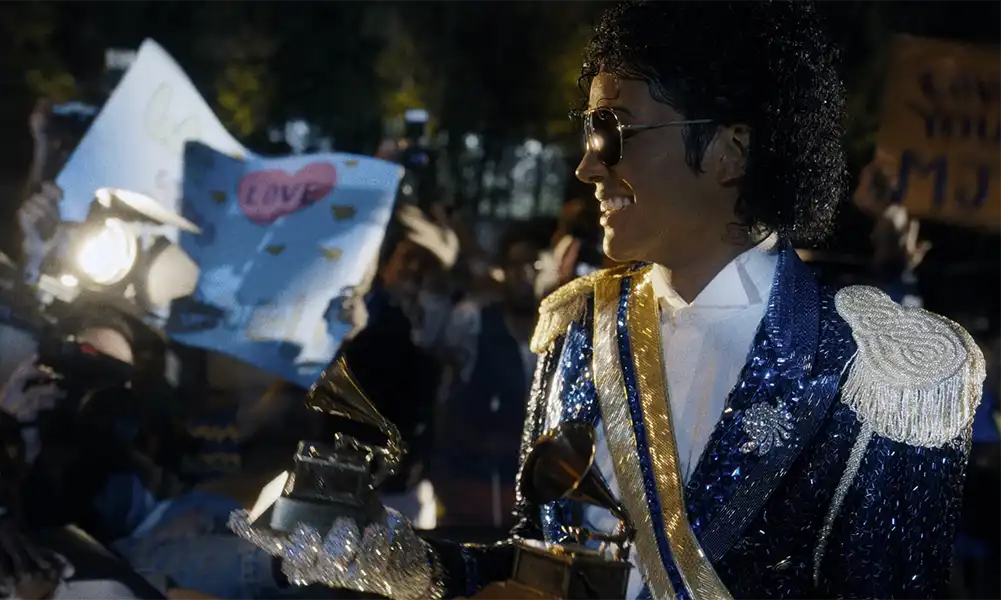
[Photo by Courtesy of Lionsgate/Courtesy of Lionsgate]
The world remembers the silver glove and the gravity-defying lean, yet “Michael” The Movie: Tribute to the King of Pop aims to pull back the curtain on the man behind the spectacle. According to industry announcements, this ambitious biopic operates with the direct involvement of the Michael Jackson Estate to ensure unmatched authenticity from the ground up.
Rather than serving as a simple greatest-hits reel, the narrative spans his entire timeline, stretching from early childhood in the Jackson 5 through his final rehearsals for the “This Is It” tour. Audiences eagerly awaiting the official trailer for Michael Jackson’s life story will discover a rare collaboration with Hollywood’s top creators focused entirely on revealing the artist’s complex humanity.
Why Jaafar Jackson was the Only Choice
When fans asked who is playing Michael Jackson in the new movie, the answer was his 27-year-old nephew, Jaafar. Capturing the King of Pop’s essence required more than just an established Hollywood actor; it demanded someone with an inherent, lifelong connection to the Jackson family.
The behind the scenes of the Michael movie production reveals a rigorous three-step preparation to ready him for the cameras:
- Choreography recreation: Mastering famous routines step-for-step, including the precise angles of the Moonwalk.
- Vocal conditioning: Matching Michael’s distinct singing tone and soft-spoken speaking cadence.
- Physical transformation: Using specialized hair and makeup teams to seamlessly mirror specific historic eras.
Such intense training unlocked the crucial screen presence—the natural charisma necessary to command a stage believably. Backed by the family’s absolute endorsement, the Jaafar Jackson performance as Michael Jackson provides an incredibly authentic core for the film. With the perfect lead secured, the focus naturally shifts to how Antoine Fuqua and Graham King are redefining the biographical film style.
From the Jackson 5 to “Thriller”
Stepping onto the biopic’s set feels like traveling through time. Filmmakers aren’t just relying on computer graphics; they are building physical sets with real lighting rigs—known as practical effects—to capture a genuine atmosphere. This tangible approach is crucial for the Jackson 5 era depiction in cinema, where vibrant, authentic stages instantly transport audiences back to the 1970s.
Wardrobe choices do more than just dress actors, as they actively map a superstar’s emotional journey. Audiences will easily spot the signature fedoras and sparkling jackets during iconic Michael Jackson dance sequences recreated for the big screen. Period-accurate costuming traces his growth from matching sibling outfits to commanding solo looks, showing how his evolving style reflected his shifting personal identity.
The undisputed crown jewel of this visual undertaking is recreating the Thriller music video for film. By blending classic 1980s monster makeup with sharp modern cameras, the production breathes fresh cinematic life into the world’s most famous graveyard dance. However, capturing this dazzling visual history is only half the battle, as the filmmakers must soon look beyond the spectacular wardrobe to address his complicated legacy and deeper cultural impacts.
Why “Michael” Matters to the African American Community
Telling a complete story requires facing uncomfortable truths, leaving audiences wondering exactly how accurate is the Michael Jackson movie biography going to be. Rather than ignoring the difficult years, the production team promises to explore his entire reality. Addressing Michael Jackson controversies in film involves a delicate tightrope walk between the family estate’s perspective and the public’s demand for authenticity. The goal is to show how immense fame fractured his private world without overshadowing his artistic triumphs.
Beyond the tabloid noise, his profound impact on the African American community serves as the movie’s emotional core. By breaking MTV’s racial barriers and elevating Black artistry to unprecedented global heights, Jackson paved the way for generations of modern creators. Highlighting this monumental cultural shift transforms the project from a simple historical timeline into a vital lesson in music history. The film’s approach to this legacy provides a robust foundation for audiences looking ahead to its eventual premiere.
What This Film Means for the Future of Music Cinema
Music films dominate the current box office, but this ambitious project sets a new standard for capturing musical genius. Translating the evolution of Michael Jackson’s career through cinematography requires profound effort and artistic dedication. Far beyond mere imitation, this production serves as a comprehensive cinematic tribute, offering an authentic, educational look at his unparalleled global legacy.