







LOCKLAND, Ohio — A small town outside Cincinnati has become an unexpected home for thousands of African asylum seekers, many of them Black Mauritanians who say they fled political repression and racial discrimination.
About 2,000 Mauritanians arrived in Lockland during 2023, increasing the town’s population by more than 50%, according to reporting and federal data analyzed by the Associated Press. Their arrival was part of a much wider migration shift that sent newcomers from dozens of countries to smaller American cities and suburbs rather than only traditional destinations such as New York, Miami and Los Angeles.
Many of the Mauritanians described selling land, cattle or other possessions to finance journeys costing $10,000 or more. They traveled through South and Central America, crossed the U.S. southern border and requested asylum, saying they feared persecution if returned home.
Black Mauritanians, including members of the Fulani ethnic group, have reported discrimination, political repression, forced statelessness and the lasting effects of slavery in Mauritania. Asylum applications, however, are decided individually, and filing a claim does not guarantee permission to remain in the United States.
Lockland had no large formal system prepared to receive the sudden influx. A smaller Mauritanian community already living there opened apartments and helped newcomers find food, transportation and basic services. At first, crowded housing and federal waiting periods for work authorization left many men unable to support themselves.
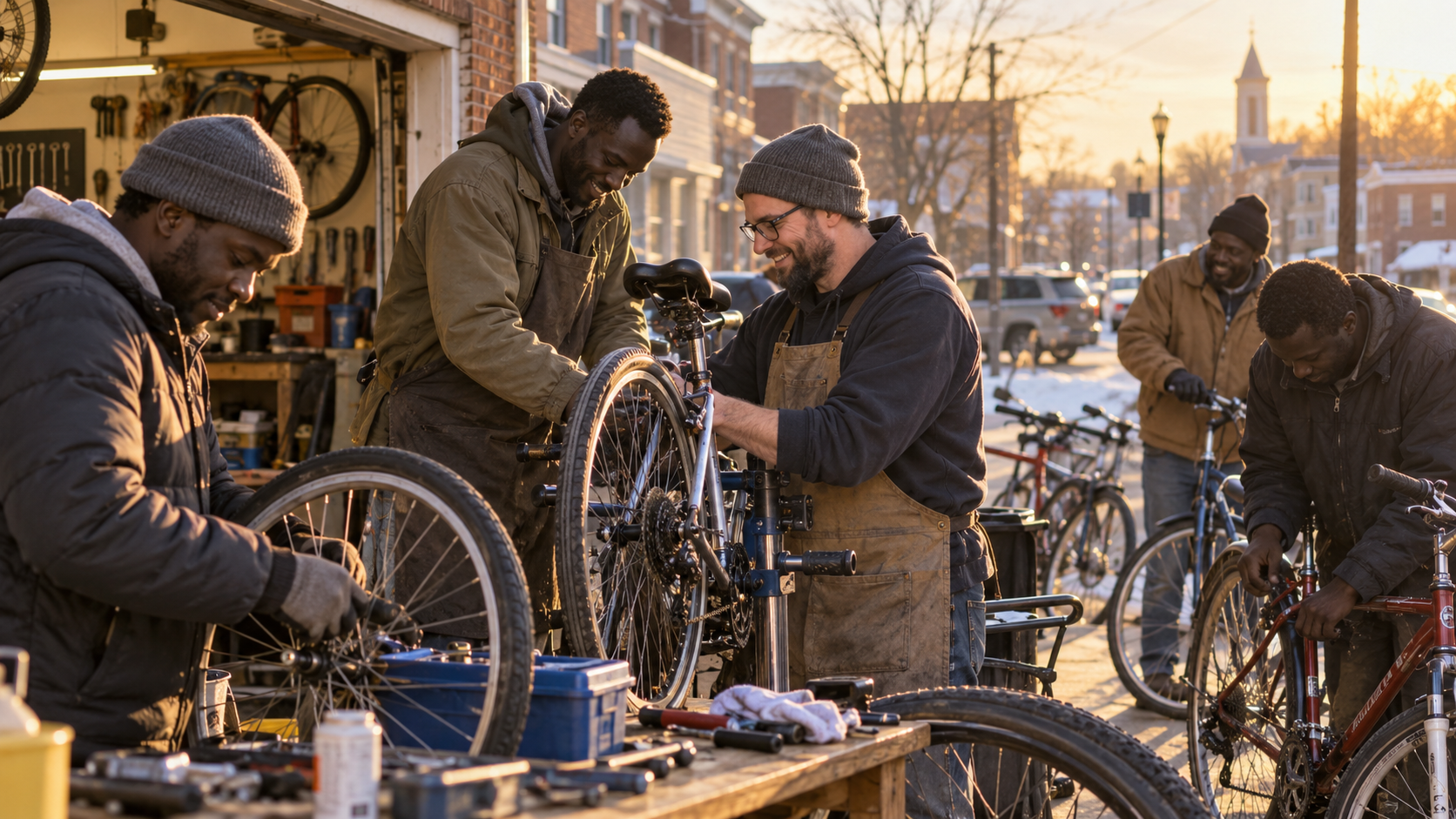
Community assistance gradually filled some of those gaps. A local bicycle shop became a gathering place where newcomers could receive donated bikes, help repair them and gain reliable transportation to jobs. Volunteers also helped with English lessons, government paperwork and immigration appointments.
Some of the new residents have since found work, secured less crowded housing and begun establishing families and social networks. The growing West African presence has added new languages, food and traditions to the Cincinnati-area community.
The progress remains fragile. Many asylum seekers face court backlogs, required immigration check-ins and the possibility that their cases could be denied. Political rhetoric surrounding immigration has also fueled suspicion and racial hostility, even as employers and neighbors have come to rely on and support the newcomers.
The story of Lockland shows how recent migration is reshaping parts of America far from the nation’s best-known immigrant centers. It also highlights the role ordinary residents can play when government and nonprofit support systems are limited.
Sources: Associated Press, Sept. 17, 2026; American Civil Liberties Union background on Black Mauritanian asylum seekers.