







BIRMINGHAM, Ala. — Sixteenth Street Baptist Church marked the 63rd anniversary of the racist bombing that killed four Black girls by opening a new education and visitor center dedicated to memory, learning and continued work for justice.
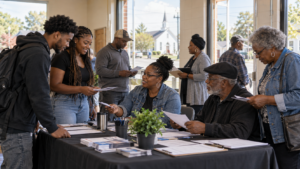
Hundreds gathered Tuesday, Sept. 15, for a memorial ceremony and ribbon cutting beside the historic church in Birmingham’s Civil Rights District, according to the Associated Press.
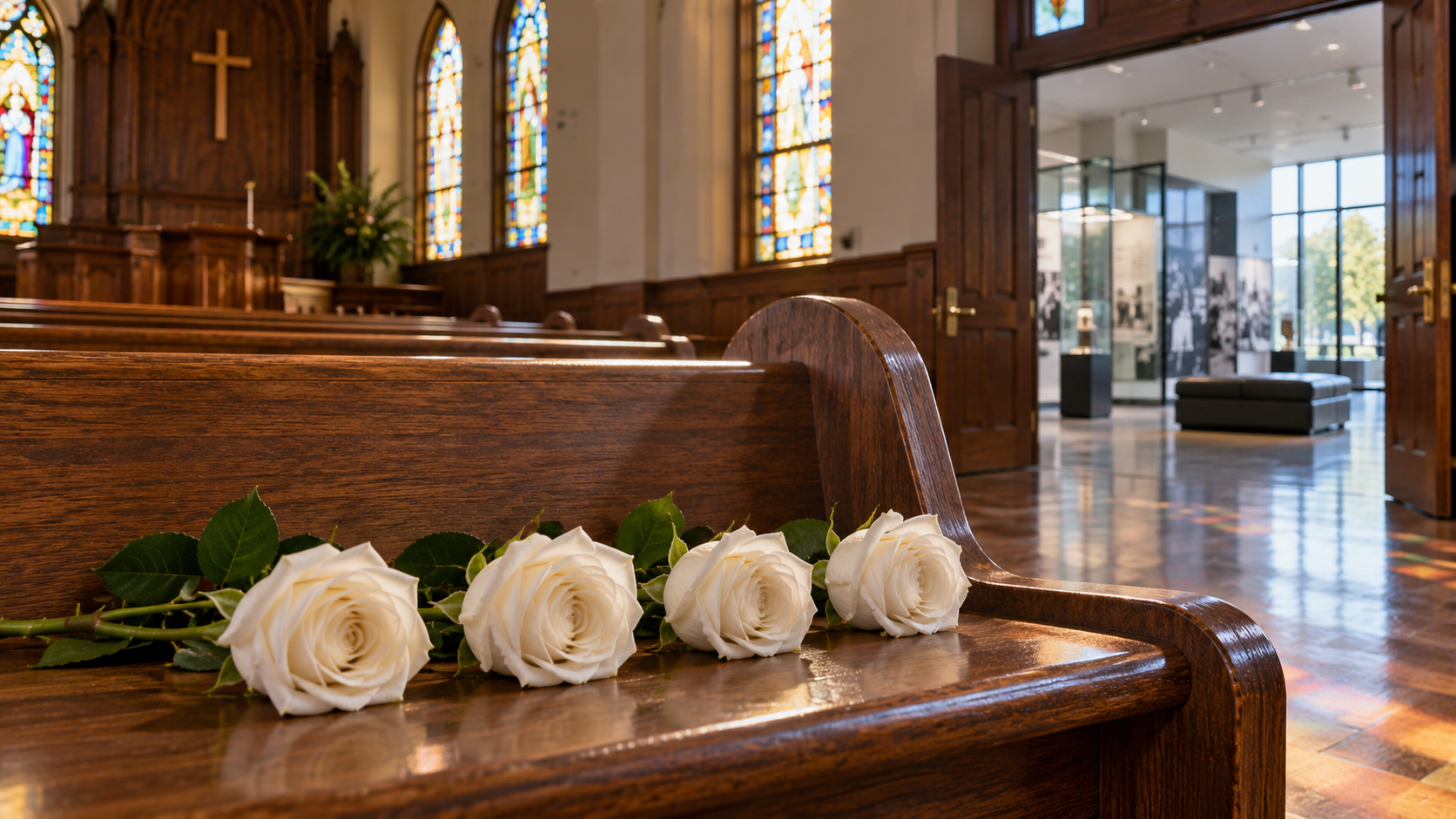
The new 13,000-square-foot Sixteenth Street Baptist Church Education and Visitor Center includes exhibit space, classrooms, meeting areas and programs intended to help visitors understand the church’s role in the Civil Rights Movement. Organizers say the center will expand field trips and provide room for reflection after tours of the sanctuary and basement.
On Sept. 15, 1963, Ku Klux Klan members planted dynamite at the church, killing Addie Mae Collins, Cynthia Wesley and Carole Robertson, all 14, and 11-year-old Denise McNair. The bombing also injured more than 20 people.
The attack came as Birmingham’s Black residents and civil-rights leaders challenged segregation in schools, businesses and public spaces. The church had served as a gathering place for the movement, including demonstrations led by young people earlier that year.
National outrage over the girls’ deaths helped build support for the Civil Rights Act of 1964 and the Voting Rights Act of 1965. Justice came slowly: Three former Klansmen were eventually convicted in connection with the bombing, with the final convictions occurring decades after the attack.
Bryan Stevenson, founder of the Equal Justice Initiative, delivered the keynote address at Tuesday’s ceremony. He emphasized the importance of confronting difficult history at a time when political battles continue over how racism and the Civil Rights Movement are taught.
The visitor center’s exhibits and oral histories are designed to connect the 1963 tragedy with the broader struggle for equality. Church leaders have described the building as a place where young people, tourists and future leaders can learn how ordinary citizens confronted injustice and transformed the nation.
Terrence Brown, the center’s executive director, previously told Birmingham public radio station WBHM that the building’s abundant glass and natural light symbolize hope and a new dawn.
The church, founded in 1873 as Birmingham’s first Black church, remains an active congregation as well as a major historical destination. It stands across from the Birmingham Civil Rights Institute and Kelly Ingram Park, forming the heart of a district that preserves the city’s central role in the movement.
The new center gives the church more space to welcome visitors while keeping the lives of the four girls at the center of the story. Tuesday’s commemoration honored their memory not only through mourning, but through a renewed commitment to education, truth and civic responsibility.
Sources: Associated Press, Sept. 15, 2026; WBHM, Aug. 18, 2026; Sixteenth Street Baptist Church; FBI historical records.