








By: Roy Douglas Malonson
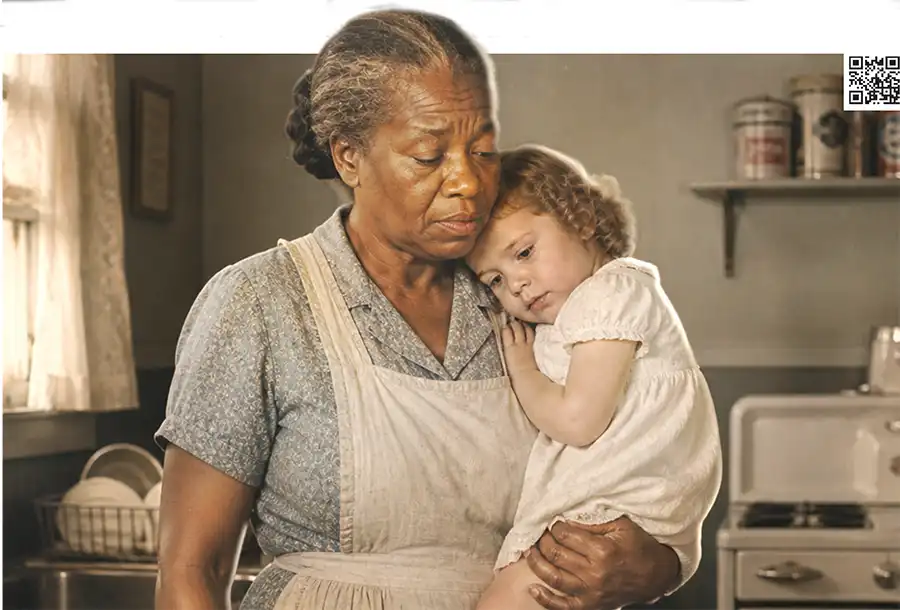
Throughout American history, many Black women worked as caregivers, nannies, and domestic workers for white families, helping raise children during some of the nation’s most difficult and divided eras. From the days of slavery through segregation and into the mid-20th century, Black women often cared for white children while balancing the responsibilities of their own families. Their work involved feeding, teaching, comforting, and protecting the children placed in their care, even while they themselves faced discrimination and unequal treatment.
During slavery, enslaved Black women were frequently forced to care for the children of slaveholding families. They cooked meals, cleaned homes, and acted as nurses and caretakers, often spending more time with white children than with their own. Many formed emotional bonds with the children they cared for, though these relationships existed within a system built on inequality and lack of freedom. Their labor and emotional support became an overlooked part of daily life in many Southern households.
After emancipation, domestic work became one of the few employment opportunities available to Black women in the South and across the country. Many worked as live-in maids or nannies for wealthy or middle-class white families. These women woke up before sunrise, prepared meals, dressed children for school, soothed illnesses, and maintained households while earning low wages. Despite difficult conditions, many carried themselves with dignity and professionalism, becoming trusted figures within the homes where they worked.
Black caregivers often played a major role in shaping the childhood memories of white children. They taught manners, read stories, comforted fears, and provided affection during important stages of development. In some cases, white children developed close emotional attachments to the women who cared for them. However, these bonds were often shaped by social systems that denied Black women equal recognition, respect, or opportunities outside domestic labor.
At the same time, many Black women returned home after long workdays to continue raising their own children and supporting extended family members. The emotional and physical demands placed on them were enormous. While caring for white families during the day, they still found ways to nurture their own households, preserve family traditions, and encourage their children to pursue education and better opportunities despite segregation and poverty.
The role of Black women as caregivers has been represented in books, photographs, films, and oral histories, though these portrayals have sometimes oversimplified or romanticized their experiences. In reality, their stories reflect a combination of sacrifice, resilience, professionalism, and survival within a deeply unequal society. Many Black women navigated complicated relationships in the homes where they worked, balancing care and compassion with the realities of racial discrimination.
Today, historians and communities continue to recognize the important contributions Black women made in raising generations of children, including those from white families. Their work helped shape households and communities across America, even though their contributions were often undervalued or ignored at the time. By examining these stories honestly, people gain a deeper understanding of the strength, humanity, and enduring legacy of Black women whose caregiving labor influenced countless lives throughout history.