







The lights go down, the crowd roars, and the anticipation in the stadium reaches a fever pitch. You have secured your tickets, navigated the traffic, and found your seats, ready for an unforgettable night of hip-hop history. But then, the clock keeps ticking. When news breaks of a Jay-Z Concert Delayed For Hours, the initial excitement can quickly morph into exhaustion and confusion.
Whether you are a casual listener or a die-hard fan, sitting through a jay-z concert delayed for hours is a test of patience. But what actually goes on behind the curtains to cause such massive hold-ups? From technical snafus to strict venue rules, let’s explore the anatomy of concert delays, how to survive them, and what your rights are as a ticket holder.
Behind the Scenes
Have you ever found yourself staring at an empty stage, wondering: why are stadium concerts delayed for hours? While it is easy to blame the artist for sleeping in or demanding green M&Ms, the reality of stadium-level touring is incredibly complex.
Producing a show for a hip-hop mogul requires military-level logistics. First, we have to look at Roc Nation tour management standards. Known for their sky-high production values, Roc Nation ensures that every LED screen, pyrotechnic display, and audio channel is flawless before the first beat drops. If a single rigging point is unsafe, the show will not start.
Furthermore, it helps to understand the differences between technical delays and weather holds. Technical delays involve audio glitches, broken stage elevators, or lighting failures that require immediate, on-the-fly troubleshooting. Weather holds, on the other hand, are legally mandated pauses due to nearby lightning strikes, high winds, or severe storms. Stadiums cannot override weather protocols, meaning fans simply have to wait until the skies clear.
Staying Updated
In the modern age of live music, communication is key. When a delay happens, fans immediately scour social media for official Jay-Z tour performance schedule updates. Venues and promoters usually broadcast revised set times via Twitter or the venue’s official app.
When discussing artist timing, fans often debate Jay-Z vs Beyonce concert punctuality. While Beyoncé’s tours are famous for their razor-sharp, down-to-the-minute precision, Jay-Z’s shows traditionally feature a slightly looser, more organic vibe. However, severe multi-hour delays are rarely a matter of an artist’s personal punctuality, but rather a cascade of unforeseen logistical dominoes falling backstage.
Curfews, Crowd Safety, and Venue Rules
As the delay stretches on, safety and legality take the front seat. Managing fan frustration at live events becomes the venue’s primary responsibility. Keeping 50,000 restless fans calm requires transparent communication, accessible amenities, and well-trained security.
Handling concert crowd safety during delays is no small feat. Venues must ensure that aisles remain clear, medical tents are fully staffed, and hydration stations are stocked. During these tense waits, Live Nation venue protocols for late arrivals are also activated, guiding late-coming fans to their seats safely without causing dangerous bottlenecks in the concourses.
But how late can a stadium concert run? This is the million-dollar question. The answer lies strictly in artist curfew regulations and local ordinances. Most major cities impose strict noise curfews—usually around 11:00 PM or 11:30 PM. If a concert breaches this curfew, the artist or promoter is slapped with astronomical fines, sometimes exceeding tens of thousands of dollars per minute. If a delay pushes the start time too close to curfew, the artist may be forced to perform a compressed setlist.
Survival Guide for Long Delays
If you find yourself stuck waiting for the concert to begin, your comfort depends entirely on how well you prepared. Here are actionable tips to help you weather the storm of a delayed show:
- Pack Smart: Always bring the essential items for long stadium wait times. This includes a high-capacity portable power bank to keep your phone charged, comfortable footwear for extended standing, and earplugs to protect your hearing once the music finally blasts.
- Know the Rules: You might be tempted to leave the arena to grab a cheaper dinner or stretch your legs. Before you do, review the official guide to stadium re-entry policies during delays. The vast majority of large-scale venues enforce a strict “no re-entry” policy. If you leave the gates, your ticket is voided.
- Plan Your Exit: A delayed start means a delayed finish. You must know how to prepare for late night concert returns. Public transit schedules might not align with a post-midnight exit. Book your rideshare ahead of time, check the last train departure times, or consider pre-paying for a parking spot right near the highway exit to avoid the 1:00 AM traffic jam.
Your Rights as a Fan
When a show is pushed back considerably, the excitement can be overshadowed by the sheer inconvenience. This leads many fans to question the refund policies for delayed music events.
The harsh truth of the live entertainment industry is that exact start times are rarely guaranteed. If the headliner eventually performs their set, ticket distributors typically do not offer refunds, regardless of how long you had to wait. The ticket grants you access to the performance, not a legally binding time slot.
However, if the delay results in a drastically shortened set, a postponement to another date, or a total cancellation, you have options. If you need to know how to claim ticket compensation for late starts that evolved into cancellations, follow these steps:
- Hold onto your digital ticket: Do not delete the email or transfer the ticket in the app.
- Wait for official correspondence: Major ticket distributors (like Ticketmaster or SeatGeek) will automatically email buyers with refund or rollover options within 24 to 48 hours.
- Check your credit card protections: If a promoter refuses a refund for a fundamentally altered or cancelled event, your credit card company may allow you to file a chargeback for services not rendered.
The Final Takeaway
Waiting hours for a concert to begin is undoubtedly frustrating, but understanding the complex machinery behind the scenes can make the wait a little more bearable. From technical safety checks to strict local curfews, a multitude of factors dictate when the music starts. By preparing properly, packing the right gear, and understanding venue protocols, you can protect your peace of mind. Ultimately, when the stadium goes dark and Jay-Z finally steps up to the mic, the hours of waiting usually fade away, replaced by the thrill of a legendary live performance.
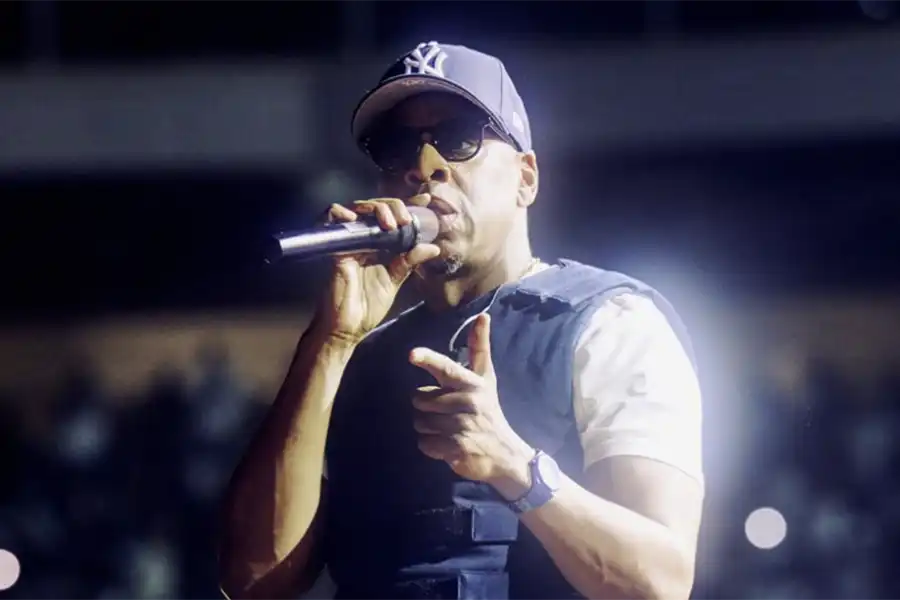
[Photo: Instagram]