








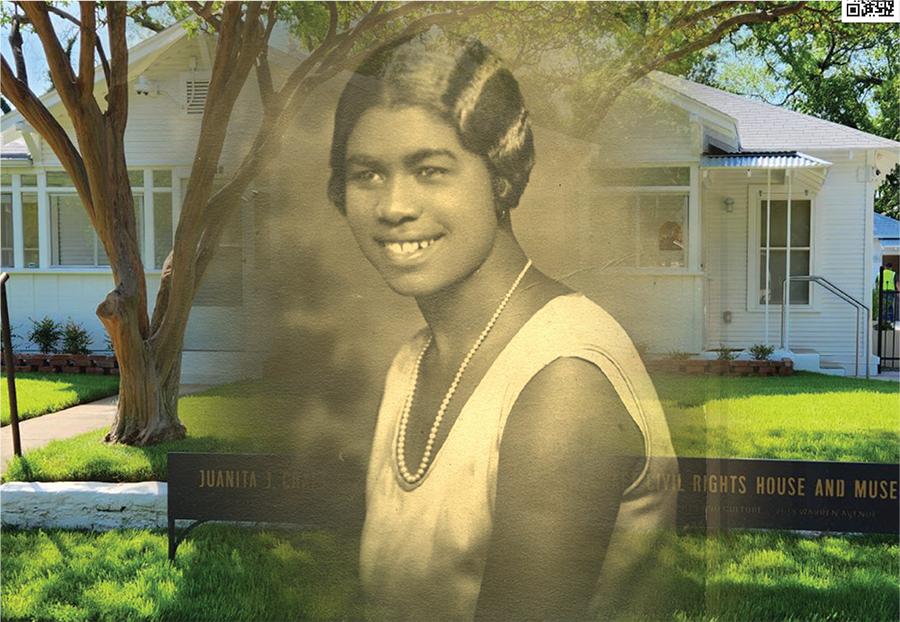
The Juanita J. Craft Civil Rights House and Museum in Dallas is inviting artists, educators, historians, schools and community organizations to submit proposals for public programs for its 2026–2027 season. e initiative seeks creative ways to preserve the legacy of civil rights pioneer Juanita Jewel Shanks Craft while encouraging civic engagement, youth leadership and greater appreciation for South Dallas history. The open call invites applicants to develop educational, cultural and community-centered experiences inspired by Craft’s lifelong commitment to equality and social justice. According to the announcement, proposals should connect with four central themes: “ The Power of the Ballot,” “Open Doors, Open House,” “Raise the Next Generation” and “South Dallas Memory.”
The themes reflect Craft’s belief that meaningful change begins with informed citizens, engaged communities and opportunities for younger generations to become leaders. Proposed activities may include voter education, intergenerational gatherings, mentorship and storytelling, as well as research-based exhibitions, performances and neighborhood history tours. Preserving a Legacy of Civil Rights Born in Round Rock, Texas, in 1902, Juanita Craft became one of the most in fluential civil rights organizers in Dallas and a significant figure in the broader struggle for racial equality. She joined the National Association for the Advancement of Colored People (NAACP) in 1935 and helped establish 182 rural chapters across Texas, expanding the organization’s reach and strengthening grassroots activism.
Craft worked to challenge segregation in schools, businesses, theaters, restaurants and other public spaces. Her e orts contributed to campaigns addressing discrimination at the University of Texas School of Law and North Texas State University, now the University of North Texas. She also played an important role in e orts to integrate the State Fair of Texas in 1954. Her activism extended beyond courtrooms and public demonstrations. Craft understood the importance of educating young people about their rights and responsibilities, encouraging them to participate in civic life and prepare for leadership. Her work demonstrated how local organizing, persistent advocacy and community partnerships could contribute to lasting social change.
In 1975, at age 73, Craft was elected to the Dallas City Council, where she served two terms. Her public service continued her lifelong commitment to improving conditions for residents and advancing equality. She died in 1985, leaving a legacy that continues to in fluence civic and cultural initiatives in Dallas. A Historic Home With a Lasting Purpose Located at 2618 Warren Avenue in South Dallas, the Craft House served as the activist’s home from 1950 until her death. Over those decades, the modest residence became an important gathering place where civil rights strategies were discussed, young people were encouraged and community members organized for change.
The home welcomed prominent visitors and activists, including civil rights attorney Thurgood Marshall and national political leaders. Its significance lies not only in the people who visited but also in the grassroots work that took place there. Craft transformed an ordinary residence into a center for education, organizing and community empowerment. The City of Dallas owns the historic property, which operates through the city’s Office of Arts and Culture. Following an extensive restoration, the museum reopened to the public in May 2023. Its renewed role as a historic site and educational resource provides a setting for visitors to explore Craft’s accomplishments and consider how her example applies to contemporary challenges.
The South Dallas Cultural Center has played a role in developing programming connected to the house, including initiatives that bring together art, history, wellness and community discussion. These efforts help ensure that the museum remains an active community resource rather than simply a place to view historical artifacts. Four themes for the 2026–2027 Season e new programming call officers applicants several ways to connect Craft’s legacy with present-day community needs. “ The Power of the Ballot” emphasizes voter education and civic participation. Programs under this theme could help participants understand voting rights, the history of the ballot and the importance of informed public engagement.
“Open Doors, Open House” encourages gatherings that bring different generations together. Such programming can create opportunities for residents to exchange experiences, build relationships and strengthen neighborhood connections. “Raise the Next Generation” focuses on youth leadership, mentorship and storytelling. Activities could introduce younger participants to local history, connect them with community mentors and encourage them to see themselves as contributors to positive change.
“South Dallas Memory” centers on documenting and interpreting neighborhood history through research, exhibitions, performances and community tours. These projects can preserve stories that might otherwise be overlooked and deepen public understanding of the people and places that shaped South Dallas. Together, the themes provide a framework for connecting historical preservation with education, cultural expression and civic involvement.
Building the Next Chapter the 2026–2027 open call represents an opportunity for local organizations and creative professionals to help shape how Craft’s story is shared with future generations. By welcoming proposals from a range of disciplines and community institutions, the museum can broaden participation in preserving Dallas’ civil rights history. The initiative also reinforces a central lesson from Craft’s life: meaningful progress depends on people who are willing to participate, share knowledge and work collectively toward a more equitable community.
Interested applicants should consult the museum’s official programming announcement or contact the City of Dallas Office of Arts and Culture for the submission deadline, eligibility requirements, proposal guidelines and application instructions. These details should be confirmed before preparing or submitting a proposal. Through this open call, the Juanita J. Craft Civil Rights House and Museum continues its mission of connecting the struggles of the past with the civic responsibilities and opportunities of the present. Craft’s legacy remains a reminder that ordinary people can make an extraordinary difference when they commit themselves to service, education and equal rights.