








Prairie View A&M University has earned a major national distinction, ranking No. 3 among public historically Black colleges and universities in Forbes’ first ranking of HBCUs focused on student success and return on investment. The Texas institution placed behind only North Carolina A&T State University and Florida A&M University on the public-school list, according to Forbes rankings reported by the Houston Chronicle.
The ranking evaluated colleges using several measures tied to the value students receive from their education. Those measures included graduation rates, post-college earnings, student debt and the achievements of prominent alumni. Prairie View A&M stood out in particular for the earning power of its graduates. Forbes reported an early-career median salary of $72,300 for Prairie View graduates and a mid-career median salary of $117,900, one of the highest figures among the public HBCUs included in the ranking.
Prairie View A&M has an undergraduate enrollment of more than 9,000 students, with Forbes listing a six-year graduation rate of 43 percent and a retention rate of 74 percent. The university has long been known for programs in areas such as engineering, agriculture and nursing, and its latest national recognition adds to the school’s growing profile in higher education and research.
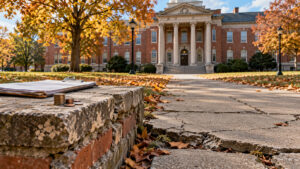
Founded in 1876, Prairie View A&M is one of the oldest historically Black universities in Texas and has played a significant role in educating generations of Black professionals and leaders. The university is located in Prairie View, northwest of Houston, and remains an important part of the Texas A&M University System.
For many students and families, the Forbes ranking provides another way to evaluate HBCUs beyond name recognition alone. By placing a strong emphasis on career earnings, student debt and graduation outcomes, the list highlights institutions that are helping graduates translate a college education into long-term economic opportunity. Prairie View A&M’s No. 3 ranking places the Texas HBCU among the nation’s strongest public institutions in that conversation.