








By: AANI Staff
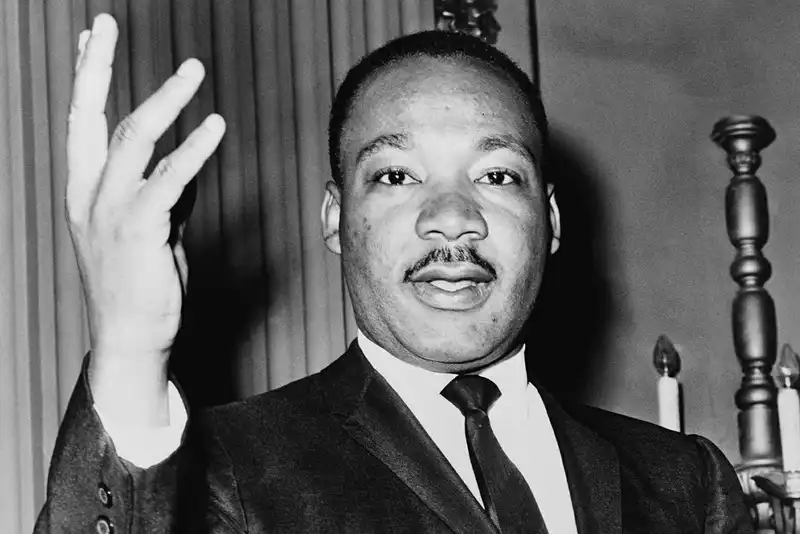
On August 28, 1963, during the March on Washington for Jobs and Freedom, Dr. Martin Luther King Jr. delivered his iconic *“I Have a Dream”* speech from the steps of the Lincoln Memorial in Washington, D.C. This powerful moment became one of the most defining events of the American Civil Rights Movement. Speaking to over 250,000 people, Dr. King called for an end to racism, segregation, and economic inequality. His words not only inspired a generation but also helped push the civil rights agenda forward in the United States.
The speech came at a time when African Americans were facing systemic discrimination, particularly in the South. Jim Crow laws enforced segregation, voting rights were denied, and economic opportunities were limited. The March on Washington was organized to demand civil and economic rights for Black Americans. Dr. King, already a prominent leader of the civil rights movement, used this national platform to share a vision of equality rooted in the American ideals of freedom and justice for all.
One of the central themes of the speech is the idea of a united America where people are judged not “by the color of their skin but by the content of their character.” Dr. King referenced the U.S. Constitution and the Declaration of Independence, reminding the nation of its promise that all men are created equal. He also used powerful imagery, such as comparing racial injustice to a bad check America had written to Black citizens—a debt that must be paid in justice and opportunity.
Dr. King’s speech is celebrated not only for its message but also for its eloquent and poetic language. His use of repetition, metaphors, and biblical references gave the speech a rhythmic and emotional strength that resonated deeply with audiences then and now. The phrase *“I have a dream”* became a rallying cry for civil rights and remains one of the most quoted lines in American history. The speech helped influence the passage of the Civil Rights Act of 1964 and the Voting Rights Act of 1965.
More than 60 years later, Dr. King’s *“I Have a Dream”* speech continues to inspire movements for justice and equality across the world. It stands as a powerful reminder of the work that has been done and the challenges that still remain. Dr. King’s dream of a fair and inclusive society lives on, encouraging new generations to continue the struggle for human rights and dignity for all people.
King became a Baptist minister like his father, but his role quickly expanded beyond the pulpit. In 1955, he emerged as a national leader during the Montgomery Bus Boycott, a year-long protest against racial segregation on public buses sparked by Rosa Parks’ arrest. His calm, nonviolent approach and powerful speeches gained him national attention. He co-founded the Southern Christian Leadership Conference (SCLC) in 1957, an organization that coordinated nonviolent protests to promote civil rights across the south.